June 5, 2026
Houses for workers in Liège for temporary assignments




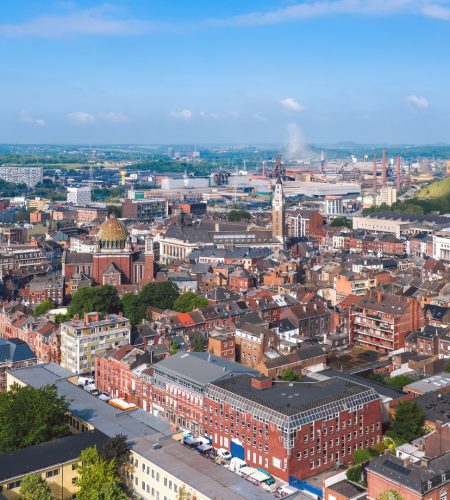
Liège stands as one of Belgium’s most important industrial and logistics centers. Steel production, large-scale construction projects, energy infrastructure, and major transport corridors all intersect in this region. For companies operating in these sectors, temporary assignments in Liège are common—and so is the challenge of finding suitable accommodation for workers.
When you send a team to Liège, housing quickly becomes a strategic decision. Where will your employees rest after demanding shifts? How do you maintain budget control? And how can you avoid long-term leases that tie up capital long after the project ends?
Houses for workers in Liège must be practical, flexible, and fully prepared from day one. When your team lives in stable and comfortable accommodation, performance improves naturally. Good housing is not a luxury; it is operational support.
Temporary projects move quickly, and schedules rarely allow for delays. Teams often rotate in shifts, and efficiency depends on structure and stability outside working hours.
If employees commute long distances every day, fatigue increases. If they stay for months in small hotel rooms, comfort declines and morale gradually weakens. Over time, this affects productivity and focus.
A well-organized short-term rental provides space to unwind. Workers can cook their own meals, maintain routines, and spend time together in a shared living area. The psychological difference between a hotel room and a real home environment is significant.
If you would hesitate to spend three months in a single hotel room, your team likely feels the same. This is one reason why many companies now choose furnished housing or serviced apartments over traditional hotels. For a deeper comparison of comfort, cost, and long-term value, see Why service apartments beat hotels for project-based stays.
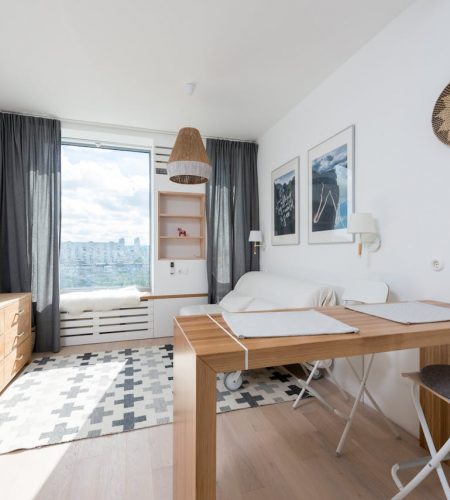
When relocating several employees at once, renting a furnished house in Liège is often the most cost-efficient solution. Each worker has a private bedroom, while common areas such as the kitchen and living room are shared. The property is fully equipped with furniture, appliances, WiFi, and utilities, allowing the team to move in immediately.
This setup significantly reduces the cost per person compared to multiple hotel bookings. At the same time, it strengthens team cohesion. After demanding shifts, colleagues can relax together in a natural home setting rather than isolating themselves in separate rooms.
For engineers, consultants, or project managers, corporate serviced apartments may be more appropriate. These units provide privacy, a separate living space, and a fully equipped kitchen. Utilities and high-speed internet are bundled into one predictable monthly rate, simplifying budgeting.
Such apartments are ideal for assignments lasting between one and six months. They offer flexibility without the rigid commitments associated with traditional long-term leases.
Hotels often appear convenient at first glance. The booking process is simple, and services are readily available. However, extended stays reveal hidden costs and practical limitations. Restaurant bills accumulate, laundry expenses increase, and the absence of personal space becomes more noticeable over time.
In many cases, short-term rentals prove 30 to 50 percent more cost-effective than prolonged hotel stays. The pricing structure is transparent, and monthly rates remain stable. For companies managing multiple employees, this predictability is crucial.
The experience of project-based housing in other European cities demonstrates the same pattern. For example, companies handling Workforce housing in Oslo designed for rotating project staff face similar challenges. Whether the location is Oslo or Liège, rotating teams require flexible, comfortable accommodation near the worksite, with clear pricing and simple administration.

Temporary assignments rarely follow a perfect timeline. Projects may be extended due to operational demands, or they may conclude earlier than expected.
Traditional long-term leases create financial exposure when plans change. Paying for empty units ties up company capital and reduces financial agility. Flexible rental agreements, on the other hand, allow you to adjust the duration according to real project needs.
This is why Flexible short term rental contracts for uncertain project timelines are increasingly essential for industrial and construction companies. In cities like Liège, where project scopes can shift quickly, flexibility is not simply convenient—it is a structured way to reduce risk and protect cash flow.
Liège benefits from strong connections to Germany, the Netherlands, and the rest of Belgium. Many industrial and logistics projects are located near major transport corridors and specialized industrial zones.
When selecting housing for workers, commuting time should be carefully evaluated. Long daily travel reduces energy levels and gradually affects performance. Accommodation close to the worksite—or with easy access to main transport routes—improves efficiency and overall well-being.
Access to supermarkets and essential services also plays a role. Minor inconveniences may seem manageable at first, but over several months they can turn into persistent frustrations. Proper planning prevents unnecessary stress.
Professional worker accommodation should provide more than a bed and a roof. A fully equipped kitchen enables employees to cook instead of dining out every day, reducing expenses and supporting healthier routines.
WiFi and utilities should be active from the first day, without requiring employees to manage local contracts. Cleaning services can also be included to prevent disputes about housekeeping responsibilities after long work shifts.
When these services are consolidated into a single agreement, administration becomes significantly easier. One contract, one invoice, and one point of contact create clarity for HR departments and project managers.
Managing workforce housing internally can become time-consuming. Property searches, negotiations, deposits, maintenance coordination, and unexpected issues require consistent attention.
For companies operating across borders, this complexity multiplies. Outsourcing accommodation to a specialized provider transfers responsibility to professionals who understand local markets and corporate expectations. This approach reduces operational risk and allows your internal teams to focus on delivering the project itself.
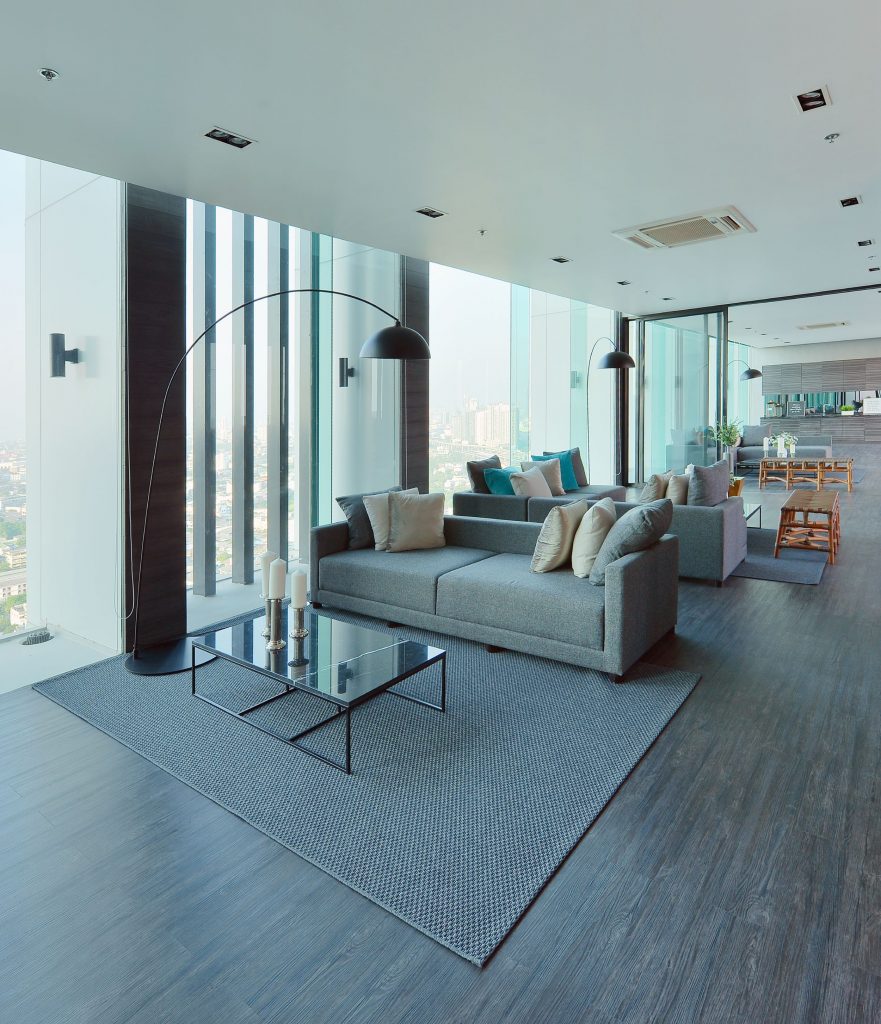
Nordic Apartrent specializes in short-term rental, furnished housing, and corporate serviced apartments across Europe. We manage more than 3,000 fully furnished apartments and houses, and since 2018 we have completed over 2,000 projects with a 96 percent client satisfaction rate.
Our experience spans Norway, Luxemburg, Serbia, the Czech Republic, and other European markets. We understand the realities of workforce accommodation and temporary assignments.
Clients benefit from a single point of contact and complete accommodation outsourcing. Our services include furnished apartments, equipped kitchens, WiFi and utilities, optional cleaning and catering, and hospitality packages. Solutions are tailored to your team size and project duration, helping you avoid capital binding and maintain financial control.
You can explore available options here:
Find a short term rental here: https://customer.nordicapartrent.com/
For direct assistance, contact us at any time:
Nordic Apartrent
Norway | Luxemburg | Serbia | Czech Republic
+47 45 20 25 25
Temporary assignments place high demands on your workforce. Employees operate in unfamiliar environments, work long hours, and adapt to tight schedules.
Providing high-quality houses for workers in Liège reduces stress and strengthens focus. It supports performance, morale, and long-term efficiency.
Accommodation is not merely a logistical detail. It is a strategic investment in productivity and project success. When your team has the right foundation, the entire assignment runs more smoothly—and your results reflect it.